**Part 1**
There’s a quiet tension building beneath the surface of the markets these days. It doesn’t scream from every headline, but if you sit with the data long enough, the pattern becomes unmistakable: the system is tightening.
1. Energy Is Reclaiming Control
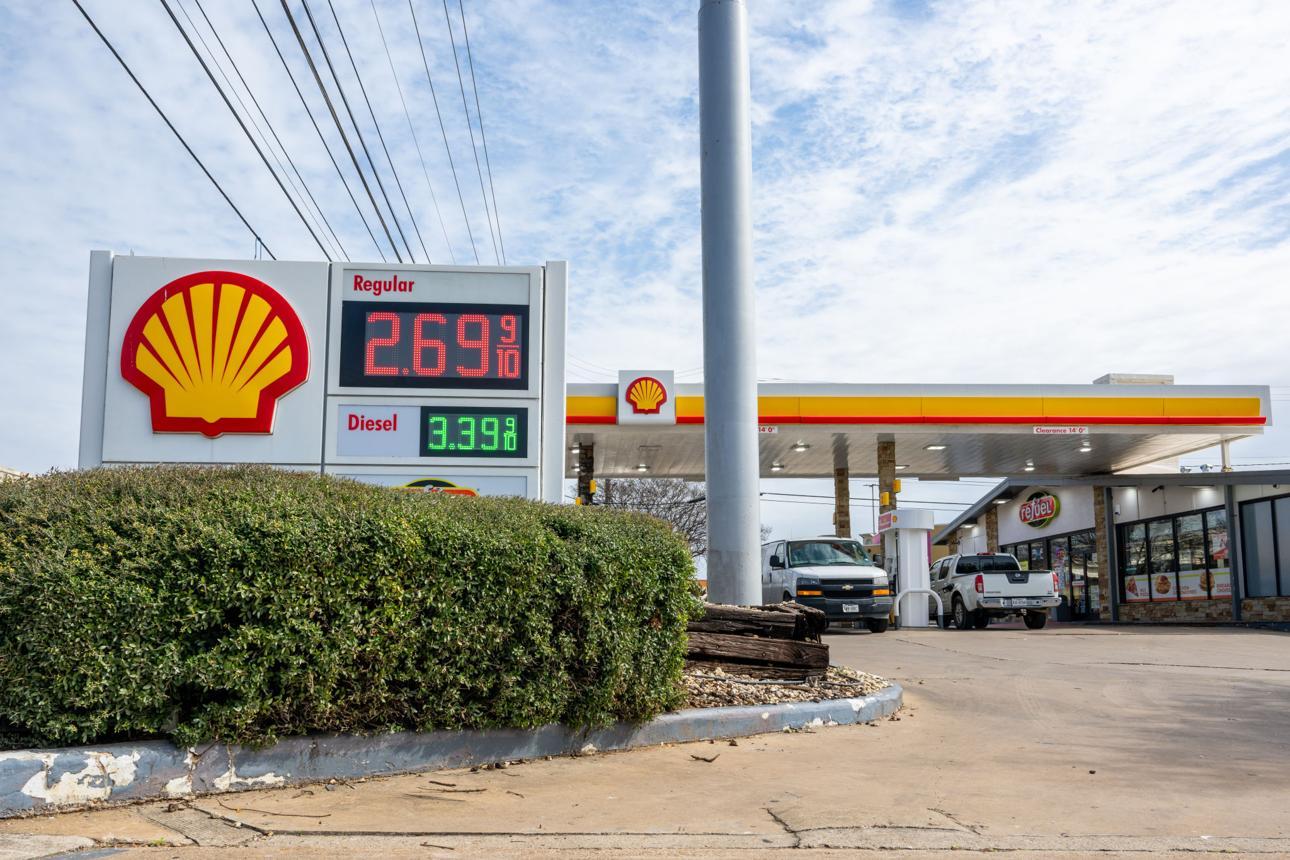
At the heart of it all is energy. Disruptions in the Strait of Hormuz. Attacks on Russian refineries. Bottlenecks in LNG shipping. Governments dusting off emergency powers they hoped they wouldn’t need again. This isn’t simply another spike in oil prices. It’s something deeper—a reassertion of energy’s primacy over the global economy. Watch how the chain reaction unfolds: Higher oil prices feed directly into input costs across industries. Those costs stoke inflation pressures that many had assumed were fading. Inflation pushes bond yields higher. Rising yields drain liquidity from the system. And tighter liquidity leaves risk assets—stocks, crypto, the whole speculative complex—suddenly vulnerable. We’re seeing the first links in that chain begin to form once more.
2. AI Is Narrowing the Field
While energy tightens the screws from the outside, artificial intelligence is doing something equally consequential from within: it’s concentrating power. BlackRock has called AI a “supercharged mega force,” and the numbers back them up. A handful of companies—think Micron Technology and others riding the AI wave—are shouldering a disproportionate share of earnings growth. Aggressive partnerships, like Anthropic with Amazon, are scaling at breakneck speed. The result? The major indices are being held aloft by a remarkably small group of names. Breadth is thinning. The rally feels crowded on the upside and eerily empty on the downside. This isn’t broad-based economic strength. It’s concentrated momentum—impressive, yes, but fragile by nature.
3. The Hidden Fragility Beneath the Surface
Several undercurrents are pointing to the same uncomfortable truth: the market’s structure is becoming brittle. We’re in what traders call a “short gamma” environment—where moves can accelerate sharply in either direction. Conviction is low, yet risk appetite remains strangely elevated. Retail investors continue to buy the dips (Tesla flows tell that story clearly), and corporate buybacks are returning to prop things up. Yet underneath the surface, fundamentals are quietly weakening. The setup is classic: markets can grind higher on narrative and liquidity for longer than most expect… until the moment something breaks. Then the drop can be swift and unforgiving.
4. The Overlooked Third Wave: Food and Supply Pressures

There’s a third pressure point that deserves far more attention than it’s getting. Fertilizer supplies are at risk as natural gas disruptions ripple through. Shipping bottlenecks persist. Inflows into agricultural ETFs are picking up speed, and analysts are beginning to whisper about a potential food price shock in the second half of the year. This loops straight back to energy:
Energy constraints → fertilizer shortages → higher food costs → renewed inflation. We may be watching the early stages of a second inflation wave forming in the shadows.
5. The Structural Shift No One Wants to Discuss
Perhaps the most profound long-term signal is the explosion in power demand. Data centers are now responsible for roughly half of U.S. electricity demand growth. In Texas, the Electric Reliability Council is warning that demand could quadruple in coming years. This isn’t a minor blip—it’s a fundamental reordering. AI’s appetite for energy is voracious. The infrastructure to meet it is lagging. We are not living in a demand-constrained economy anymore. We are increasingly living in an energy-constrained one.
6. What to Watch: Signals That Matter
If you want to see clearly through the noise, keep your eye on a few critical markers:
**Oil (Brent and WTI)**: A sustained breakout would confirm the inflation wave is real. A meaningful pullback might offer temporary breathing room.
**The U.S. 10-Year Yield:** Crossing certain thresholds higher would accelerate liquidity tightening. A decline would give risk assets some welcome space.
**The S&P 500:** Narrow leadership signals a fragile rally. Only broad participation across sectors would suggest a healthier, more sustainable trend.
Key figures to watch for all three can be viewed here:
7. The Bigger Picture
Three powerful forces are now colliding: Energy tightening the global system. AI concentrating market strength into fewer hands. Liquidity growing more fragile by the week. The combination produces a peculiar environment—one that wears the clothes of a late-cycle market while still telling early-cycle stories. It looks and feels like a boom on the surface, yet the underlying structure carries the unmistakable strain of a potential top.
Bottom Line
This is not a clean, straightforward bull market. It’s a tightly wound system held together by powerful narratives and concentrated bets. In moments like these, the headlines matter less than the architecture beneath them. And right now, that architecture is starting to creak.