Beneath the surface tension we explored in Part 1 lies something equally important: the stories the market tells itself. Right now, several powerful narratives are keeping confidence alive. They’re persuasive, widely believed, and backed by real money. But they’re also increasingly at odds with the tightening structure beneath them.
1. “AI Will Drive the Next Economic Boom” This is the dominant tale of the moment. Artificial intelligence isn’t just another technology cycle — it’s framed as a once-in-a-generation leap in productivity. Earnings will keep surprising to the upside, tech will carry the broader market, and the massive capital spending on chips, data centers, and cloud infrastructure represents smart investment, not excess. The belief is fueled by undeniable momentum: Nvidia and Micron powering earnings growth, hyperscalers pouring hundreds of billions into AI infrastructure. It feels inevitable. Yet the risk is hidden in plain sight. This boom is extraordinarily concentrated. If a few key names falter, the entire market feels the tremor. What looks like broad transformation may, in reality, be narrow dependence.
2. “The Economy Remains Resilient” Despite higher rates, lingering inflation scars, and geopolitical friction, the economy refuses to break. Retail sales hold firm, employment numbers look respectable, and housing appears to have found a floor. People cling to this narrative because recent data supports it. We anchor to what we’ve just lived through — the surprising strength of the past year. The danger? Resilience can be backward-looking. Energy shocks and input cost pressures haven’t fully worked their way through the system yet. What feels solid today may prove far more brittle once those delayed forces arrive.
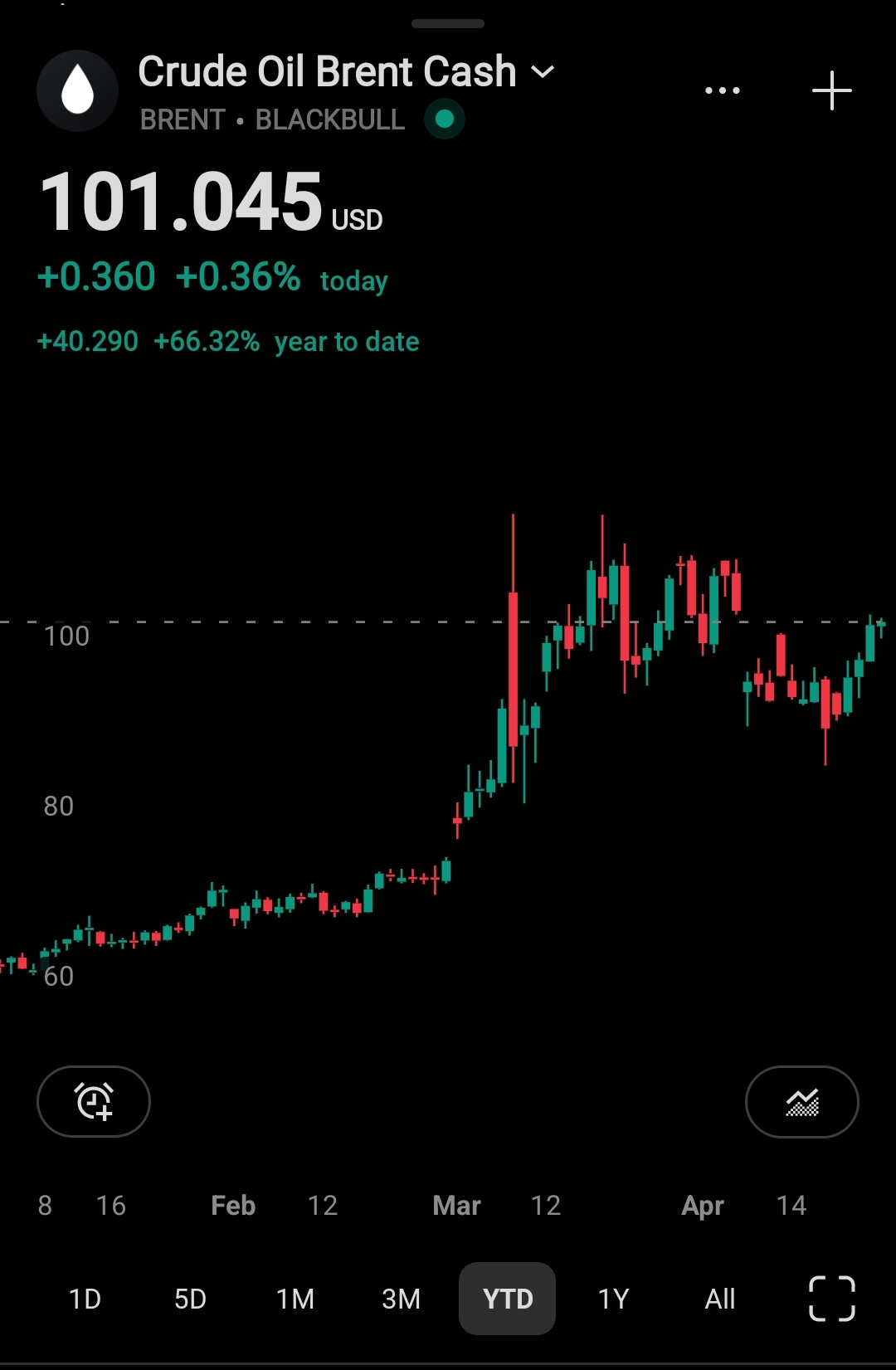
3. “Central Banks Will Always Step In”
If things turn sour, the cavalry will ride to the rescue. The Fed will cut rates, liquidity will return, and risk assets will be protected. After fifteen years of conditioned responses, this belief has become almost reflexive. Its power comes from precedent — it has worked, repeatedly. But this time the guardrails are tighter. Renewed inflation, especially from oil and food channels, could sharply limit how aggressively central banks can respond. The safety net may still exist, but it’s no longer as wide or as reliable as the market assumes.
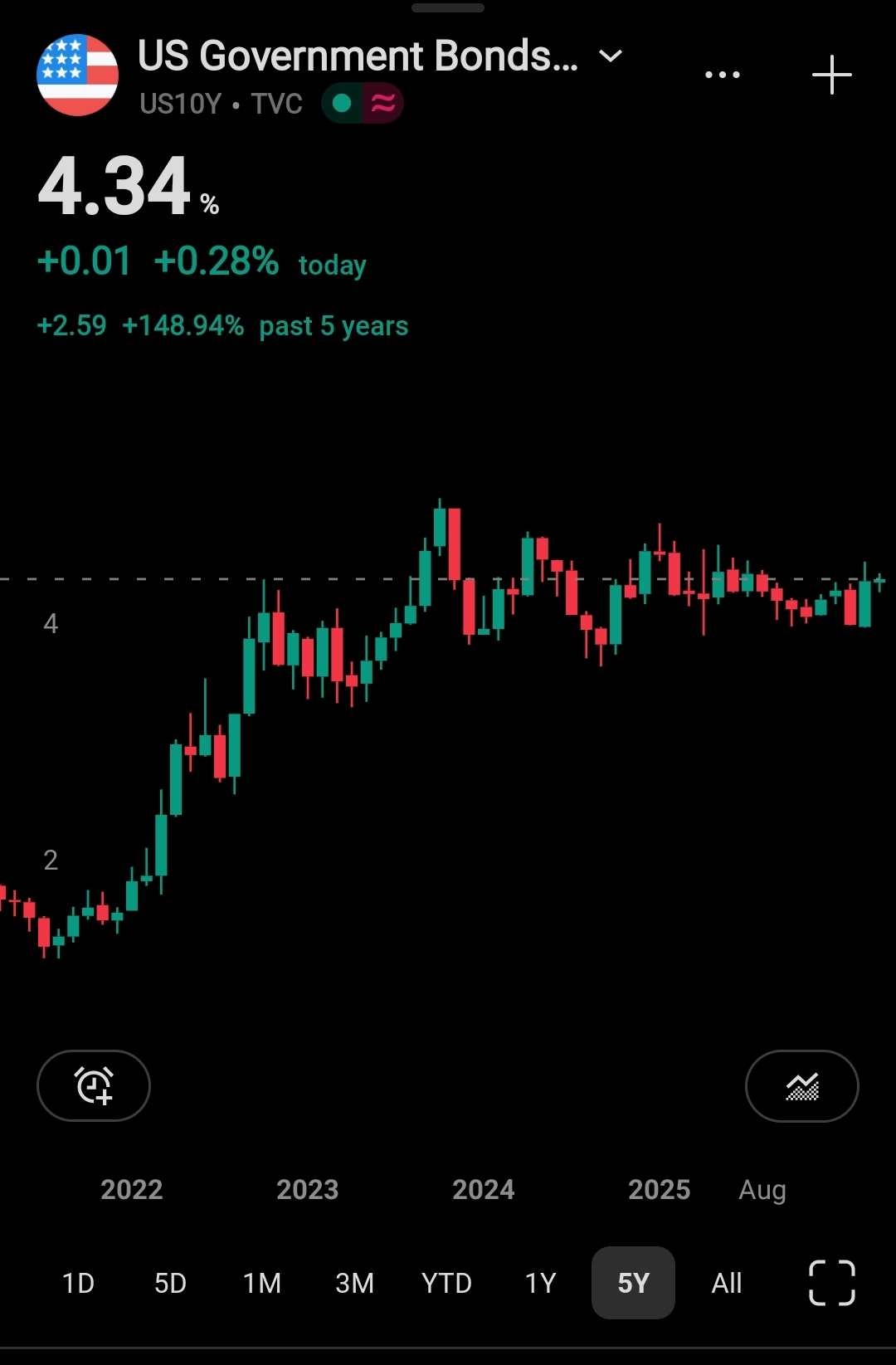
4. “Geopolitics Is Contained”
Yes, conflicts simmer. Yes, there are flare-ups. But the story goes that they won’t spiral out of control. Oil spikes will prove temporary, supply chains will adapt, and diplomacy will eventually prevail. This narrative comforts because it treats disruption as episodic rather than structural. The counterpoint is uncomfortable: a serious interruption in the Strait of Hormuz or cascading energy and shipping bottlenecks would not be linear. The impact would be nonlinear — and fast.
5. “Buy the Dip Still Works”
Every pullback remains a gift. Retail investors keep stepping in with enthusiasm, corporate buybacks provide a floor, and momentum carries prices higher. This has been a profitable reflex for years. Until, of course, it isn’t. The strategy thrives in liquid, confident environments. When liquidity quietly drains away, dips don’t bounce — they accelerate.
6. “A Soft Landing Is Still Possible”
Inflation continues to cool without triggering a recession. Growth moderates but doesn’t collapse. Rates stabilize, and markets can climb further. It’s an elegant, hopeful story — and one many want to believe. The threat to it is straightforward: fresh energy and food price shocks could reignite inflation at exactly the wrong moment, shattering the delicate balance required for a soft landing.
Where Narratives Meet Structure
These stories aren’t fiction — they’re powerful belief systems shaping capital flows and sentiment. Markets trade on them daily. But here’s the deeper tension:
AI-driven boom vs. Narrow, concentrated Leadership
Resilient economy vs. Rising input costs from Energy
Central bank backstop vs. Inflation limiting room to act
Contained geopolitics vs. Critical energy chokepoints
Buy the dip vs. Increasingly fragile liquidity
The Real Edge
Stories create confidence. Structure ultimately determines outcomes. Right now, the stories remain predominantly bullish. The underlying architecture, however, is tightening. When these two forces diverge — as they appear to be doing — the resolution is rarely gentle or gradual. It tends to arrive suddenly, and with conviction.