Saturday, November 28, 2026 | The Weekly Lens
A week ago, investors were heading for the exits. By Friday, they were buying many of the same shares they had been selling. The Nasdaq gained nearly 7% and the S&P 500 rose 5.6%, its best week since April 2025, in a week shortened by Thanksgiving. European and Asian markets recovered too.
The news that came with the rally was less reassuring. Nvidia’s CEO returned after a corporate shake-up, Washington proposed another round of tariffs, inflation stayed high and new attacks hit Middle Eastern energy infrastructure. Confidence came back, but the reasons it was lost are still there.
Nvidia gets its CEO back, and the questions with him

Jensen Huang resigned earlier in November following revelations about his personal conduct and allegations raising national security concerns. Nvidia’s board reinstated him on Monday after discussions with Huang and input from senior U.S. government officials. The company’s shares surged roughly 31% that day before giving back some of the gain.
Nvidia says its independent investigation will continue. Separately, Reuters has reported that U.S. securities regulators are examining potential accounting issues at the company. Neither investigation establishes wrongdoing. Nvidia’s November 23 regulatory filing confirms Huang’s reinstatement.
The swings show how much the market rides on one company. Nvidia supplies the chips at the center of the AI buildout, and its results reach data-center builders, chipmakers, power suppliers and the companies spending billions on AI. Huang’s return may settle the leadership question, but it doesn’t settle whether that spending will earn a matching return. That worry drove last week’s sell-off, and a rebound doesn’t make an expensive bet cheaper.
More proposed tariffs, and inflation that won’t cool
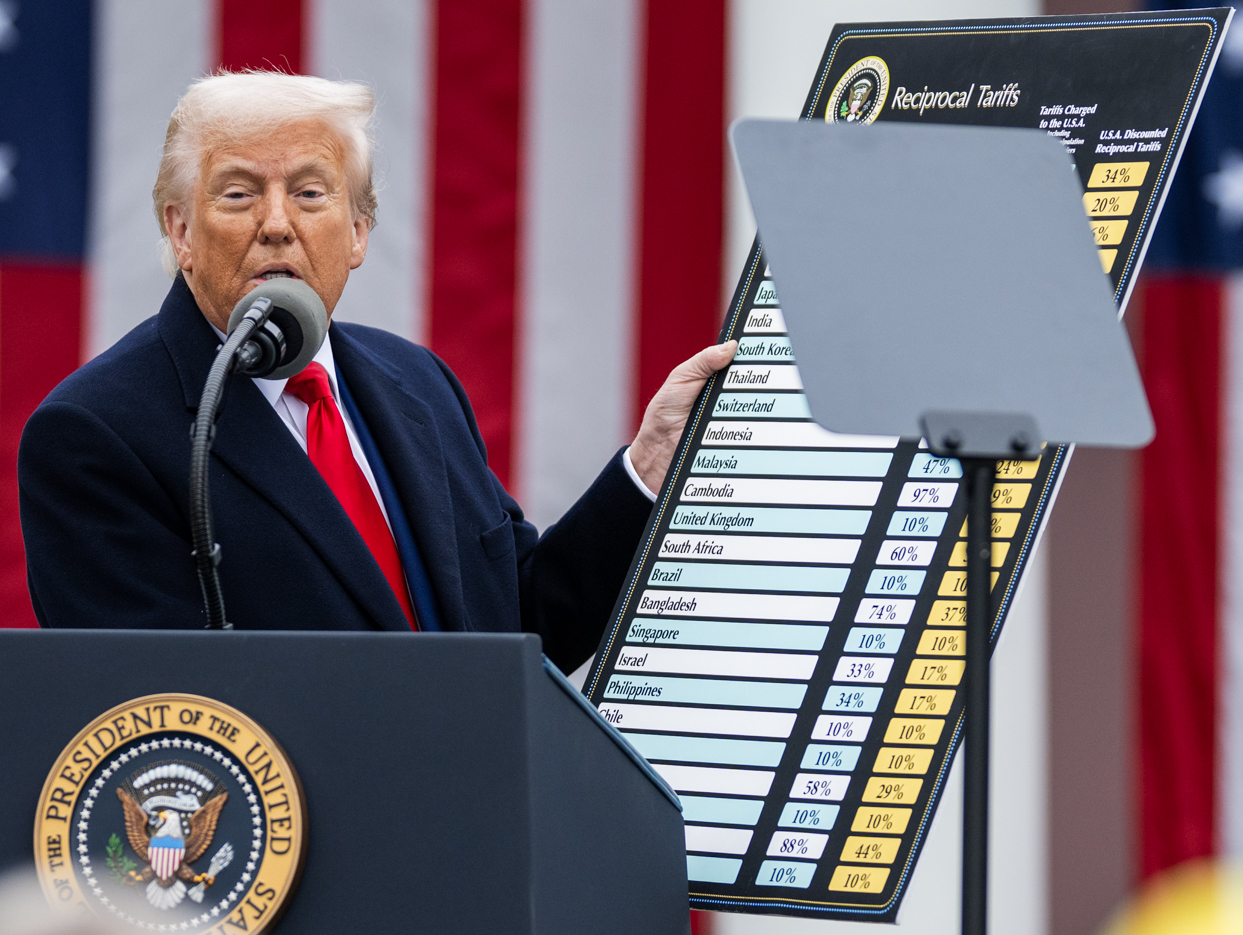
On Wednesday, the U.S. Trade Representative proposed tariffs affecting 14 economies, including China, the European Union, Japan and South Korea. The administration says foreign subsidies and excess capacity have hurt American industry. The proposals include rates of up to 20% on certain Chinese goods and up to 15% on many EU goods, subject to existing duties, exemptions and adjustments. They are proposals, not tariffs being collected, and a public comment period is open. U.S. Trade Representative.
The aim is to make imports costlier and encourage domestic production. But American companies also buy imported machinery, parts and raw materials, so some of the added cost lands on them. They can absorb it, pass it to customers or split it. For many, the practical question is whether to commit to new equipment or supplier contracts now or wait for clarity.
Inflation data didn’t help. The personal consumption expenditures price index rose 3.8% over the year to October, and 3.3% excluding food and energy, both above the Fed’s 2% target. Bureau of Economic Analysis. Persistent inflation also raises the chance that borrowing costs stay higher than investors want.
Oil and the Strait of Hormuz
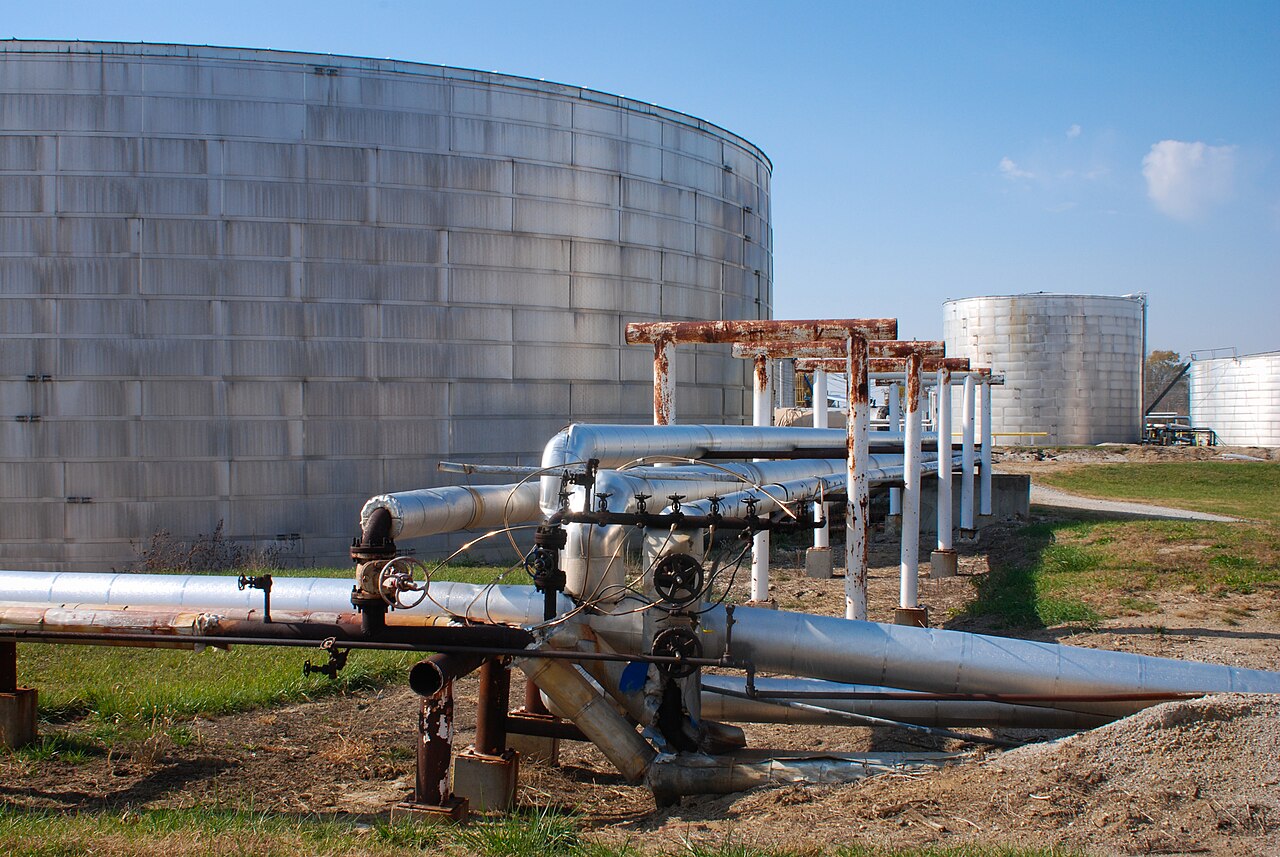
Brent crude fell 1.2% on Friday to $95.44 a barrel, but finished the week higher, ending a three-week losing streak. Concerns over Middle Eastern supply returned after attacks on shipping and Saudi energy infrastructure, including a strike that temporarily disrupted operations at the Jazan refinery. Reuters.
The strait links the Persian Gulf to the rest of the world and carries a large share of international energy shipments. When ships can’t move freely, shipping and insurance costs rise and buyers have to find other supply and routes. Those costs eventually reach fuel distributors, airlines, factories and households. A producer can have plenty of oil and still face higher prices if it can’t get it to buyers safely.
OPEC+ meets Sunday to discuss 2027 production policy, and it has to decide how much to promise when no one knows how freely the oil will move.
How markets responded
Gains were broad. U.S. tech led, but European and Asian markets also finished higher.
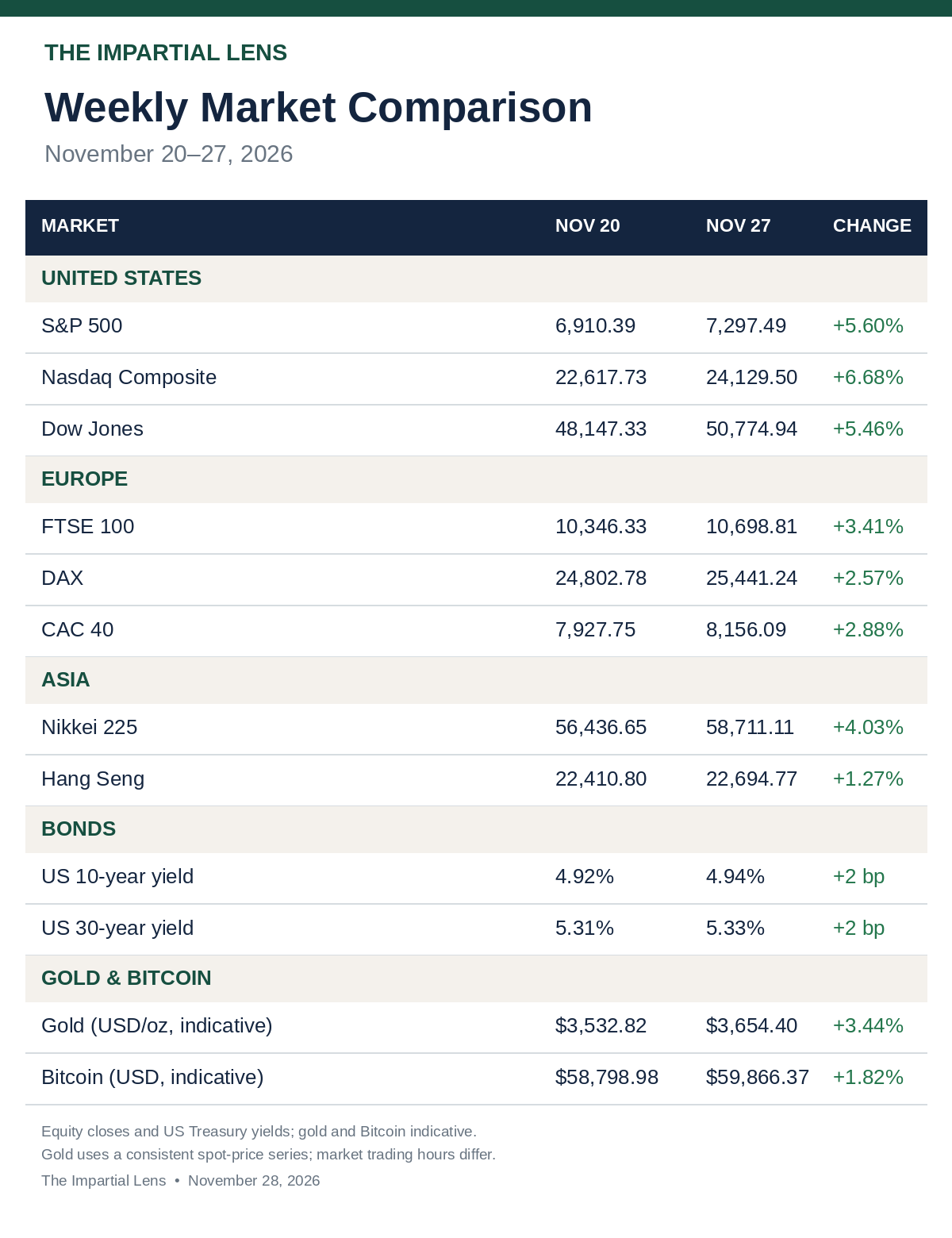
Buyers came back quickly after the previous week’s losses. A big weekly gain doesn’t prove the correction is over, though. Some of the strongest rallies happen when pessimism is deep and investors rush to buy back what they sold. This one repaired some of November’s damage, not all of it.
What we’re watching next week
AI and Nvidia: whether the tech rebound holds, and what the scrutiny of Nvidia’s leadership and finances turns up.
Jobs: Friday’s November report could shape expectations for the Fed’s December rate decision.
Tariffs: how major trading partners respond, and which industries face the biggest costs.
Oil: Sunday’s OPEC+ meeting and any further trouble around Hormuz.
Europe and Asia: whether their recovery continues on its own or depends on U.S. tech.
The Lens
Last Friday, investors were asking whether AI could justify the money going into it. This Friday, they were buying tech again. In between, the data centers didn’t go away, neither did the cost of building them, and no one has shown that the enthusiasm will turn into reliable profits. Meanwhile, governments are proposing new trade barriers, inflation is proving hard to contain and a shipping lane is pushing up the price of energy.
None of that means the recovery will fail. It does mean a rising market isn’t proof the problems are solved. Investors have found their nerve. The next few weeks will show whether they have found good reasons to keep it.
Markets move fast. We slow them down.
The Impartial Lens provides market commentary and education only, not investment advice.