Markets love to put on a brave face.
This past week they did exactly that: equities climbing higher, a “risk-on” vibe in the air, whispers of progress in the Strait of Hormuz. On the surface, everything looked… fine.
But zoom out.
What you’re actually watching isn’t conviction. It’s relief. And relief is a dangerously thin foundation for a bull market.
Goldman’s trading desk nailed the uncomfortable truth: “A pullback would be the healthiest thing for this market.”
Not bearish. Just honest.
Because this isn’t the kind of rally built on strong earnings, transformative technology, or genuine economic momentum. This is a liquidity-fueled climb where positioning and momentum are doing the heavy lifting while fundamentals quietly take a backseat. Traders are hesitant to short even when things feel stretched. Rallies stretch further than logic suggests. Everyone’s moving forward—but fewer and fewer can explain why.
The entire structure rests on one fragile assumption: that geopolitical tensions will simply… calm down.
The Strait of Hormuz isn’t just another headline. It’s the jugular of the global energy system. Twenty percent of the world’s oil passes through that narrow waterway. A real disruption doesn’t announce itself with sirens. It tightens slowly—then everything else does too. Energy prices spike. Inflation expectations shift. Central banks lose room to maneuver. The system doesn’t collapse overnight. It just starts to choke.
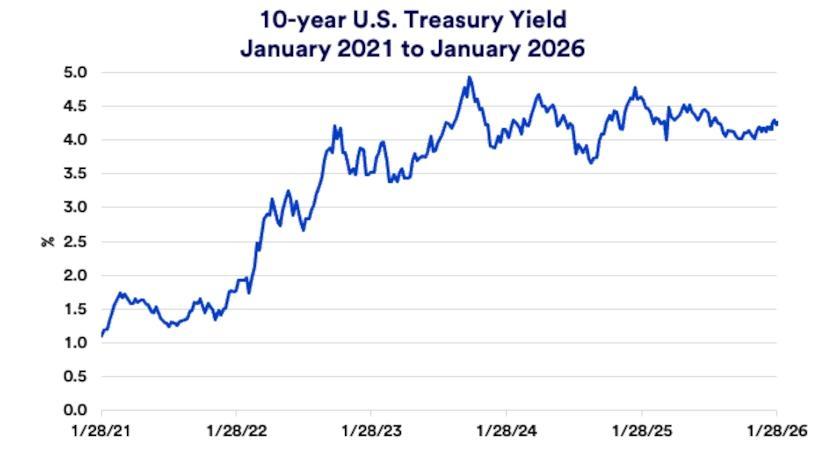
While stocks keep marching, the signals most investors are ignoring are flashing elsewhere:
Bond market volatility is creeping higher.
Liquidity is becoming less forgiving.
Dormant feedback loops are waking up.
One observer called it “an overheating feedback loop.”
That phrase should make you pause. Markets don’t usually break where the crowd is staring. They break where the crowd isn’t looking. And history’s favorite blind spot? The bond market.
Right now two powerful forces are locked in a tug-of-war inside the same indices:
One side: Liquidity. Positioning. Momentum.
The other: Energy risk. Geopolitical fragility. Structural tension.
The result is a market that can sprint upward with startling speed… yet has almost no ability to absorb a real shock. Sharp rallies. Brittle downside. Classic right-tail optimism sitting atop left-tail risk.
This isn’t a normal late-cycle environment.
This is something more unstable—a market running on the absence of immediate crisis rather than genuine belief. “Don’t fight the trend,” the bulls say. “But stay cautious,” the realists reply. Those aren’t contradictory messages. They’re symptoms of a system that is functioning… but under visible strain.
The path forward is razor-thin.
If energy markets stabilize, the rally can keep going—maybe longer than anyone expects.
If they tighten instead, the chain reaction is already wired in:
Oil → Inflation → Yields → Liquidity → Risk Assets.
And when that sequence ignites, it doesn’t creep. It accelerates.
So here we are again—riding a wave that feels strong until the moment it doesn’t.
History has a cruel sense of humor about setups like this. Stability built on temporary relief has a nasty habit of evaporating the moment the world stops holding its breath.
The market isn’t telling you everything is fine.
It’s telling you everything is fine… for now.
The difference is everything.
And most people won’t notice until it isn’t.
If you’re an investor who wants to:
Reassess allocations for a deleveraging cycle
Stress-test portfolios against credit shocks
Explore opportunities in value, real assets, bonds, and Emerging Markets
Let’s connect. DM me to discuss a disciplined plan for capital preservation and opportunity capture.