What This Week’s Markets Are Telling Us
Oil prices fell this week. American government borrowing costs rose sharply. And Wall Street finished higher.
Oil traders were watching supplies and shipping routes. Bond investors were weighing inflation and interest rates. Stock investors were assessing corporate earnings.
Each market was responding to different developments. But those developments eventually affect our everyday lives, from the price of petrol to mortgage payments and the cost of running a business.
This week, the US 10-year Treasury yield climbed from 4.86% to 5.15%, while the S&P 500 gained approximately 2.5%.
Let’s look at what happened, and why it matters.
The Bond Market: Why Borrowing Got More Expensive
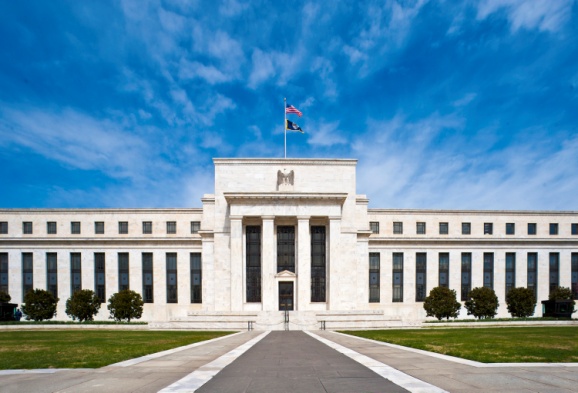
When bond prices fall, yields rise.
And because Treasury yields influence borrowing costs throughout the economy, higher yields matter well beyond Washington.
Consider a family borrowing $400,000 over 30 years.
At 6% interest, their monthly principal-and-interest payment would be approximately $2,398. At 7%, it rises to $2,661.
That’s an additional $263 every month.
The government faces them too. As existing debt matures and new borrowing is required, higher interest rates can increase Washington’s interest bill.
Why were yields rising?
Investors were weighing persistent inflation, expectations for Federal Reserve policy and the enormous amount of government debt requiring financing.
This week, they demanded more.
Inflation: Cheaper Oil Doesn’t Mean Cheaper Living
Friday’s Producer Price Index showed prices rising 0.3% in October, down from a revised 1.4% in September.
Encouraging, perhaps.
But producer prices were still 6.5% higher than a year earlier.
Think of a supermarket.
Cheaper fuel may reduce delivery costs. But if wages, electricity, food supplies and borrowing are becoming more expensive, the supermarket’s overall costs can still rise.
That’s why falling oil prices don’t necessarily mean inflation is under control.
Oil Prices Fell. The Supply Risks Remained.

Brent crude finished Friday at $95.84 a barrel, below the previous week’s level despite renewed attacks on Saudi energy infrastructure.
The International Energy Agency reported that global oil supply increased by 2.3 million barrels per day in October.
But there was a catch.
Much of the increase in oil inventories was aboard ships, while stocks held on land continued falling.
For a refinery, oil travelling across an ocean isn’t the same as oil sitting in a nearby storage tank.
And dangerous shipping routes increase freight and insurance costs.
Europe faces a similar problem with natural gas.
But Europe enters winter with relatively low gas storage. A prolonged cold spell could leave countries competing for replacement cargoes.
The lesson: Energy security depends not only on available supplies, but on getting them safely and reliably to customers.
Europe: A Seat at the Table Isn’t a Peace Agreement

Talks on Ukraine resumed in Abu Dhabi, while European leaders meeting in Dublin advanced plans for their involvement.
Britain, France, Germany, Italy and Poland were identified to work alongside EU institutions.
But agreeing who participates is easier than agreeing what happens afterward.
Russia’s security demands have extended beyond Ukraine. Before the 2022 invasion, Moscow sought restrictions on NATO’s military presence in countries that joined after 1997.
There is also an enormous economic question.
But imagine financing a factory that could be destroyed if fighting resumes.
A lender might demand much higher interest to compensate for the risk, or refuse to finance it altogether.
That’s why credible security arrangements matter to economic recovery.
The harder questions remain: Who provides the security? Who supplies the financing? And what happens if an agreement fails?
Artificial Intelligence: Who Pays for the Expansion?
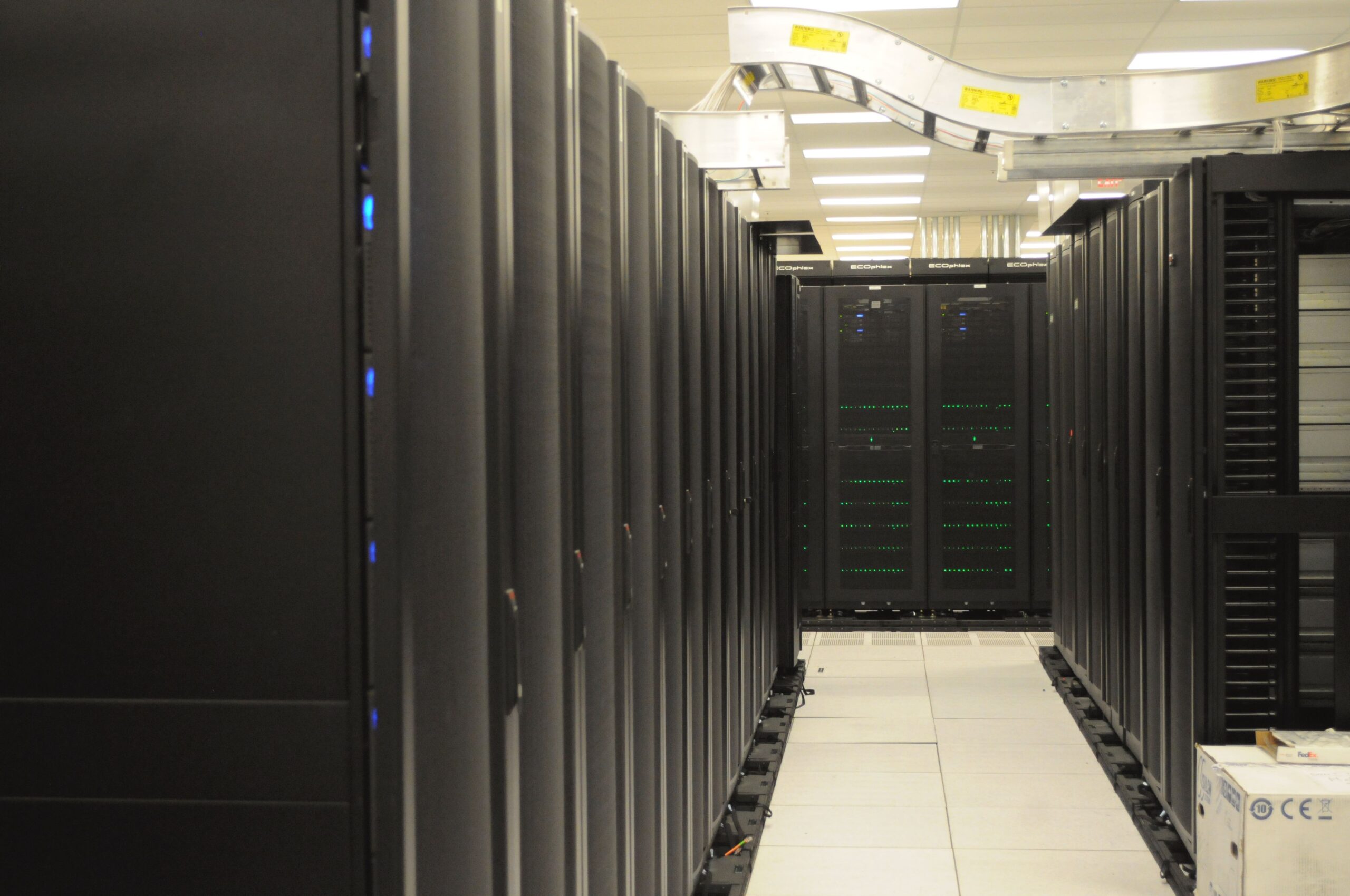
The AI boom requires enormous amounts of money.
This week, CoreWeave said it expected approximately $9 billion in customer prepayments and deposits over the next three months.
But expected payments still have to arrive, and completed facilities must eventually earn enough to justify their cost.
Meanwhile, Nvidia announced that Jensen Huang had stepped down as chief executive, with Colette Kress appointed interim CEO.
Can businesses financing the AI expansion generate sufficient profits, particularly when borrowing costs are rising?
Artificial intelligence may change the world too.
That doesn’t guarantee every investment in it will be profitable.
How Markets Responded
American stocks recovered this week, even as government borrowing costs rose.
Weekly Market Comparison
November 6–13, 2026
| Market | Nov 6 | Nov 13 | Change |
|---|---|---|---|
| United States | |||
| S&P 500 | 7,376.86 | 7,561.67 | +2.50% |
| Nasdaq Composite | 24,579.43 | 25,136.27 | +2.27% |
| Dow Jones | 51,285.73 | 52,347.55 | +2.07% |
| Russell 2000 | 2,754.11 | 2,790.49 | +1.32% |
| Europe | |||
| FTSE 100 (UK) | 10,673.94 | 10,902.56 | +2.14% |
| DAX (Germany) | 25,820.36 | 26,749.95 | +3.60% |
| CAC 40 (France) | 8,139.00 | 8,368.91 | +2.82% |
| Asia | |||
| Nikkei 225 (Japan) | 57,434.77 | 61,142.35 | +6.46% |
| Hang Seng (Hong Kong) | 24,481.86 | 23,637.60 | −3.45% |
| Bonds | |||
| US 10-year yield | 4.86% | 5.15% | +29 bp |
| US 30-year yield | 5.26% | 5.47% | +21 bp |
| Gold & Bitcoin | |||
| Gold (USD/oz) | $4,066.03 | $3,874.47 | −4.71% |
| Bitcoin (USD) | $75,746.93 | $68,249.27 | −9.90% |
American and European stocks recovered, and Japan’s Nikkei gained strongly. Hong Kong, gold and Bitcoin moved in the other direction.
What We’re Watching Next Week
Bond yields: Does the 10-year Treasury remain above 5%?
Energy: Are more oil supplies reaching land, and are shipping costs easing?
Ukraine: Do diplomatic discussions produce concrete security and financing commitments?
Artificial intelligence: Do promised customer payments arrive, and can data-centre investments generate sustainable returns?
The Lens
An oil producer can announce additional exports. But a refinery cannot fill tomorrow’s order with crude still aboard a tanker.
European leaders can announce a negotiating delegation. But a government cannot protect Ukraine with a list of names.
An AI company can report extraordinary demand. But a data centre cannot pay its lenders with bookings alone.
And the United States can continue borrowing.
But the bond market will have something to say about the price.
The world is full of promises, projections and agreements.
Markets ultimately have to deal with what arrives.
The cargo. The cash. The commitments.
And the bill.
Markets move fast. We slow them down.
The Impartial Lens provides market commentary and education only, not investment advice.
Photo credits: Featured photograph © MeanieHyaena, CC BY 4.0 (source); Federal Reserve Board; NASA/JSC; Europa building © Samynandpartners, CC BY-SA 4.0 (source); NERSC server photograph Derrick Coetzee, CC0.

